
Table of Contents
- Start With the Artist: Portfolio Review and Reputation
- Questions to Ask an Artist Before You Commission
- The Art Commission Contract Template: What Must Be in Writing
- The Art Commission Process Timeline: From Deposit to Delivery
- Pricing, Deposits, and Milestone Payments
- Copyright, Commercial Use, and Who Owns the Final Piece
- Red Flags and Dispute Resolution
- Frequently Asked Questions
Last Updated: September 26, 2026
Start With the Artist: Portfolio Review and Reputation
The first thing to look for in an art commission is a portfolio that proves the artist can do what you need: finished pieces, not just sketches, with consistent quality.
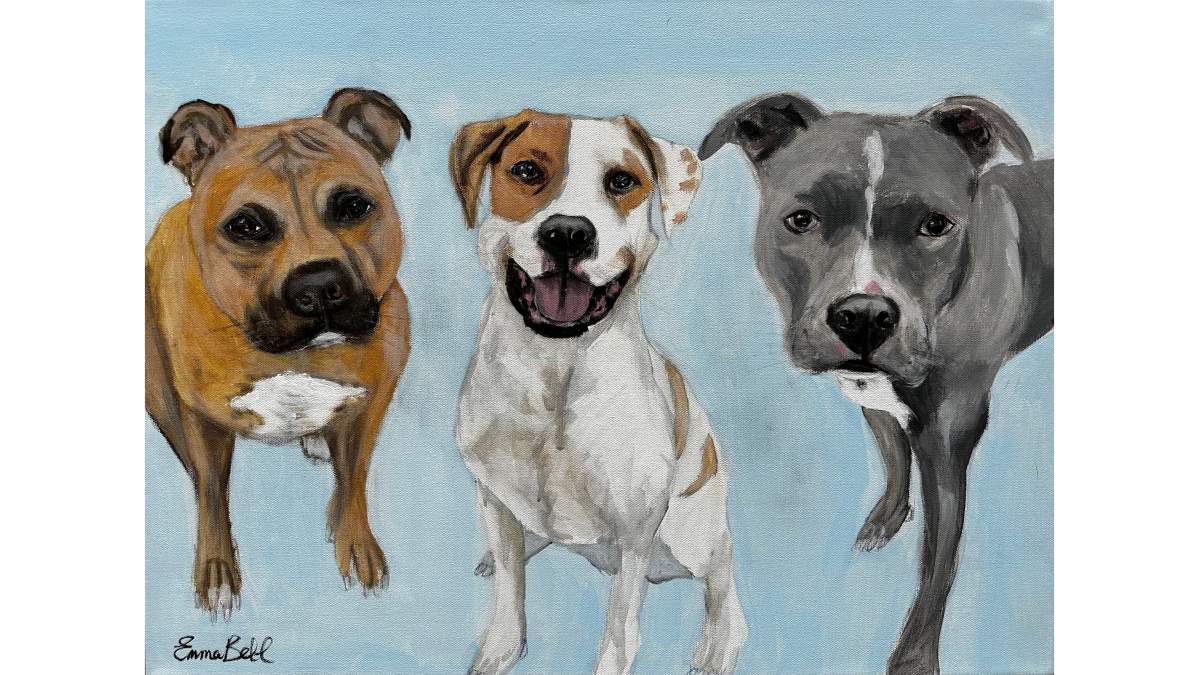
Judge a portfolio on three things:

- Range: Can the artist handle your subject matter, whether that's a wedding bouquet or a pet portrait?
- Consistency: Does the art style hold up across many pieces, or does it look like a lucky one-off?
- Detail: Are there close-ups showing texture, brushwork, and color palette?
Questions to Ask an Artist Before You Commission
The best questions to ask an artist before commissioning cover scope, style, timeline, and money. Get clear answers in writing before you pay:
- What's included in the price? Ask about the artwork, framing, shipping, and any extras.
- How many revision rounds do I get? Most artists include one or two.
- What's the due date, and what happens if it slips?
- Can I see progress updates? A sketch or early photo helps catch problems early.
- Who owns the copyright after the sale?
- What reference images do you need from me?
The Art Commission Contract Template: What Must Be in Writing
A written contract is the single most important document in any art commission; verbal agreements fall apart when memories differ. Your template should include these sections, each with specific language, not just a label:
| Section | What It Covers | The Clause That Actually Matters |
|---|---|---|
| Project scope | Subject matter, size, medium, style | A written description of the piece, plus reference images attached as an exhibit |
| Deliverables | Final piece, digital files, prints | Exact file format, resolution, and whether a print release is included |
| Payment terms | Deposit, milestones, final balance | Deposit amount, when it is refundable, and what triggers the final payment |
| Timeline | Start date, check-ins, due date | A specific calendar date, not "4-6 weeks," plus a check-in schedule |
| Revisions | How many rounds, what counts as a change | A definition of "revision" vs. "new direction," and the hourly rate for extra rounds |
| Rights | Copyright, personal use, commercial use | Whether copyright stays with the artist or transfers, and for what uses |
| Disputes | How conflicts get resolved | A named mediation process and a venue for small claims |
| Cancellation | Client cancels, artist cannot finish | What portion of the deposit is kept and who owns any partial work |
The Art Commission Process Timeline: From Deposit to Delivery
A typical art commission process timeline runs four to eight weeks for a single painting; complex pieces take longer. The usual flow, with the decision points that slow projects down:
- Consultation (week 1): You share reference images, subject matter, size, and style preferences. Inconsistent references can add a round of messages.
- Quote and contract (week 1): The artist sends pricing, terms, and a due date. You sign and pay the deposit. Don't skip the written scope description, it's what you point to if the piece drifts.
- Sketch or concept (week 2): The artist shares a rough plan. You approve it or request changes. This is the cheapest place to change your mind. After this stage, changes usually cost extra.
- Painting (weeks 3-6): The artist works. Ask for a progress photo at the halfway point, not every day.
- Final approval (week 7): You review the finished piece and request any final tweaks. Most contracts allow minor adjustments here, not a repaint.
- Delivery (week 8): The balance is paid, and the artwork ships or the files are released.
Budgeting for Complexity
Most guides say to "expect to pay more for complex work" without explaining how complexity is calculated. Complexity usually scales with four variables:
- Number of subjects: One pet portrait is simpler than three pets in one composition. Each additional subject adds reference work, layout time, and paint.
- Background detail: A plain wash or gradient is faster than a detailed room, landscape, or floral arrangement. Ask whether the background is "simple," "moderate," or "detailed" and how each is priced.
- Size and surface: A 40x40 canvas uses more material and takes longer to cover than a 12x12. Unusual sizes or non-standard surfaces can add a custom-stretcher cost.
- Reference quality: Blurry or low-resolution photos force the artist to invent detail, which takes longer and may require a reference-gathering fee.
Delivery Logistics: Digital Files vs. Physical Art
The delivery stage is where commissions most often go wrong, because requirements differ for digital and physical work.

- Resolution: Ask for the print-ready file at 300 DPI at the intended print size. A 300 DPI file for an 8x10 print is not the same as a 300 DPI file for a 24x36 poster.
- Color profile: Ask whether the file is sRGB (best for screens and most home printers) or Adobe RGB / CMYK (better for professional printing). If you plan to print, confirm the profile matches your printer's requirements.
- File format: PNG or TIFF for lossless quality; JPEG for smaller files. Ask for a layered source file only if the contract grants it, since many artists keep the working file.
- Usage rights: The file delivery does not change copyright. Your license still governs what you can do with it.
For physical art, agree on these:
- Shipping method and insurance: Ask who pays, who insures, and what happens if the piece arrives damaged. For canvases over 30 inches, crating is common and adds cost.
- Signature requirement: A signature on delivery protects both sides. Without it, a lost package is harder to resolve.
- Unboxing window: Inspect the piece within 48 hours and photograph the packaging before you discard it. Most carriers require photos for a damage claim.
- Framing and hanging hardware: Confirm whether the piece arrives ready to hang or requires a frame. Gallery-wrap canvas is usually ready to hang; paper works are not.
Pricing, Deposits, and Milestone Payments
Art commission pricing reflects time, skill, materials, and size, a 40x40 canvas takes more paint, hours, and risk than a 12x12. Here's how it usually breaks down:
- Deposit: 50% up front, often non-refundable
- Milestone payments: Sometimes split across sketch and painting stages
- Final balance: Due after you approve the finished work
- Shipping: Often separate, especially for large canvases
Copyright, Commercial Use, and Who Owns the Final Piece
Buying an artwork does not automatically transfer copyright, the biggest surprise for most first-time buyers.
So what do you actually get? Usually:
- Personal use: You can display the piece in your home.
- Commercial use: You can use it in ads, products, or resale. This needs a written transfer and often costs more.
- Copyright transfer: Full ownership of reproduction rights. Rare, and priced accordingly.
Red Flags and Dispute Resolution
The clearest red flags in an art commission are vague contracts, no portfolio, and pressure to pay in full upfront. Watch for these warning signs:
- No written contract or terms of service
- No clear due date or revision policy
- Requests for full payment before any work begins
- No past commissions to show
- Slow or evasive answers to basic questions
- Talk it out: Most issues are miscommunication about scope or style.
- Mediation: A neutral third party helps both sides agree.
- Small claims court: For smaller amounts, this is often the fastest route.
- Legal action: A last resort for large sums or clear breach.
Frequently Asked Questions
What should be included in an art commission contract?
A solid art commission contract should cover the project scope, subject matter, medium, dimensions, color palette, number of revision rounds, milestone payments, due date, and final delivery format. It should also state who owns the copyright after the sale, whether the piece is for personal or commercial use, and what happens if either party needs to cancel. A deposit clause noting whether it is non-refundable protects both sides. Put everything in writing before any money changes hands.
How long does it typically take to complete a custom art commission?
Timelines vary by complexity and medium. A small 12x12 bouquet commission may take two to three weeks, while a large 40x40 fully rendered painting can take six to ten weeks. Build in time for reference image review, sketch approval, revision rounds, and shipping. Ask the artist for a milestone schedule so you know when to expect the sketch, progress updates, and final delivery. Confirm the due date in your written contract.
What questions should I ask an artist before commissioning a piece?
Ask about their commission process, how many revision rounds are included, what deposit they require, and whether the deposit is non-refundable. Request examples of past commissions similar to your project. Confirm the medium, dimensions, and whether the final piece ships as a digital file or a physical canvas. Ask who holds copyright after the sale and whether commercial use is permitted. Also clarify the communication channel and how often you will receive progress updates.
How do I know if an artist is the right fit for my custom project?
Review their portfolio for work that matches your subject matter and preferred art style. Look for completed commissions rather than only personal projects. Check whether their medium and color palette align with your vision. Read any testimonials or client feedback available. A good fit also means clear communication: the artist should answer your questions directly and walk you through their art commission process without pressure. If something feels vague, ask for specifics before paying a deposit.