
Table of Contents
- Start with the Best Photos for a Custom Portrait
- How to Commission a Custom Portrait: The Process
- Understanding Custom Portrait Turnaround Time
- Give Effective Feedback for a Portrait Artist
- Quality Checks and Satisfaction Guarantees
- Protect Your Investment: Image Rights and Shipping
- Your Custom Portrait Satisfaction Checklist
- Frequently Asked Questions
Last Updated: October 10, 2026
Start with the Best Photos for a Custom Portrait
The best reference photos make or break a custom portrait. A clear, well-lit image of your subject is essential, without it, even skilled artists struggle to capture likeness and emotion.
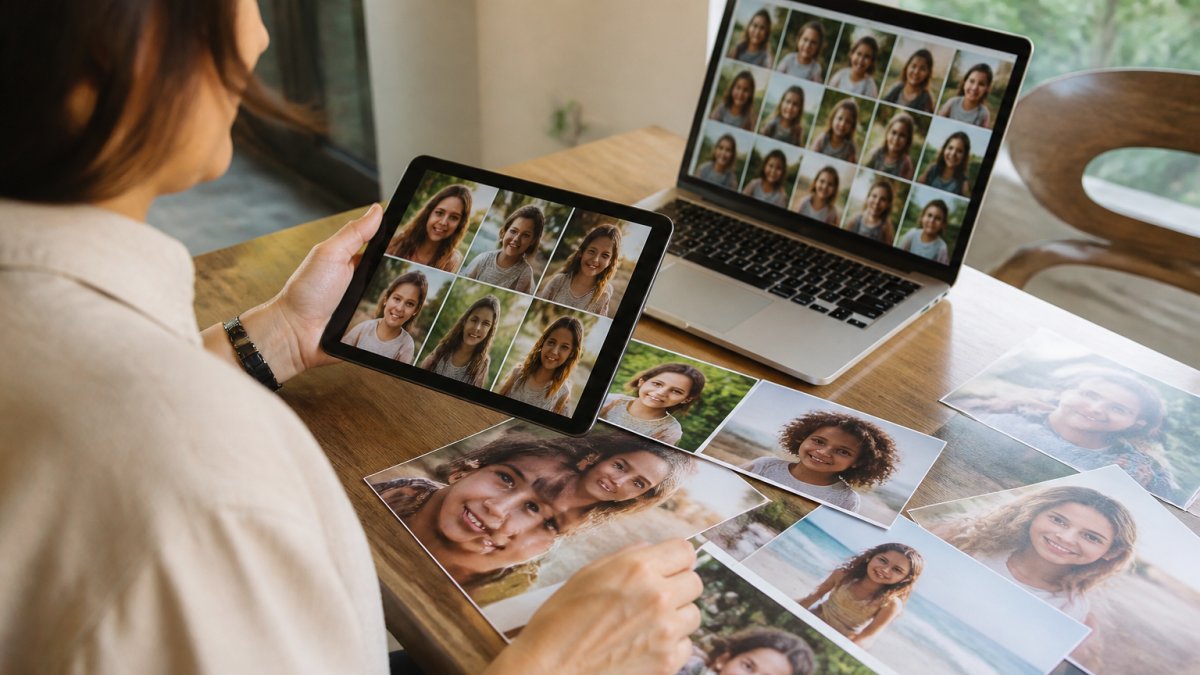
What makes a reference photo work
A strong reference photo shows your subject's face clearly with sharp, in-focus eyes. Natural daylight with even, flattering lighting reveals skin tone, texture, and subtle details that artificial light misses.
Keep backgrounds simple or blurred to avoid distraction. Choose genuine, relaxed expressions, candid moments capture real personality better than forced poses.
Common reference photo mistakes to avoid
Avoid direct sunlight (harsh shadows flatten features) and backlighting (creates silhouettes with lost detail).
Skip dim indoor lighting (causes blur and grain). Don't crop too tightly, artists need neck and shoulders for proportion. Avoid filters, heavy makeup, and extreme angles, which distort the actual subject.
Provide high-resolution, original uncompressed files to ensure the artist has enough detail for a true likeness.
How to Commission a Custom Portrait: The Process
Commissioning a custom portrait is a partnership. Clear expectations lead to satisfaction. At Emma Bell Fine Art, we understand exactly what you're picturing before we start painting.
Initial consultation and expectation-setting
Discuss the subject (person, pet, couple, family), size, medium (acrylic, mixed media), and timeline.
Discuss style preferences, realistic, impressionistic, or expressive. Emma Bell Fine Art specializes in palette knife and mixed media techniques. Ensure the artist's style aligns with your vision.
Ask about revision policy and what happens if you're unsatisfied. Understanding these details upfront prevents misunderstandings.
Creating a written commission brief
Request a written commission agreement including subject, size, medium, style, turnaround time, cost, and reference photos.
Spell out the revision policy in writing (e.g., "two rounds of revisions included"). This protects both parties and eliminates confusion.
A written brief serves as your satisfaction checklist and provides documentation if the artist deviates from the agreement.
Understanding Custom Portrait Turnaround Time
Custom portraits take time. A professional artist balances multiple commissions and doesn't rush the work.
Larger paintings and more detailed work take longer.
Communicate early if you have a deadline. If you need the portrait by a specific date, tell the artist before you commission. They may be able to prioritize your work, or they may let you know it's not possible. Last-minute rushes often result in lower quality work.
Give Effective Feedback for a Portrait Artist
Feedback is how you guide the artist toward your vision. Poor feedback creates confusion. Clear, specific feedback moves the work forward. The key is being constructive without being vague.
How to structure constructive feedback
Focus on specifics, not feelings. Instead of saying "I don't like it," say "The nose feels too wide compared to the reference photo" or "The eyes aren't quite the right shade of blue." Point to what you see in the reference image and compare it to the artwork.
Use the reference photos as your guide. If something looks off in the portrait, check the photo first. Does the photo show what you're asking for? If the reference photo is unclear, the artist can only do so much. Sometimes the issue isn't the artist's work, it's the source material.
Be respectful of the artist's expertise. They understand color mixing, proportion, and technique in ways you might not. If they suggest a different approach, listen to their reasoning. They may see something in the overall composition that you're missing.
Revision policies and approval steps
Most artists include a set number of revisions in their fee. Use these revisions strategically. Don't request changes just for the sake of it. Focus on things that genuinely don't match your reference photo or your agreed-upon brief.
Once you've received revisions, review them carefully. If you're satisfied, approve the work. If you need more changes, submit them clearly and specifically. After your revisions are complete, the artist will show you the final version. This is your last chance to request changes before delivery. After final approval, the portrait is considered complete.
Quality Checks and Satisfaction Guarantees
When your custom portrait arrives, treat the unboxing as a formal inspection. Before you approve the work, assess it systematically against your reference photos and written brief.
Likeness and facial features. Compare the portrait to your reference photos side by side. Are the proportions accurate? Check the distance between the eyes, the width of the nose, the shape of the jawline, and the placement of the ears. Look at the eyes specifically, they carry the most weight in likeness. Are they the correct color, shape, and expression? Do they have the right level of detail and focus? A portrait can be beautifully painted but fail if the eyes don't feel like the subject.
Expression and emotion. Does the expression match what you requested? If you asked for a serene, contemplative look, the portrait should feel calm. If you wanted warmth and joy, the face should convey that. Compare the mouth, eyebrows, and overall facial tension to your reference photo. Expression is subjective, but it should feel intentional and true to the brief.
Color and tone. Assess skin tone, hair color, clothing, and background color under good lighting. Colors can shift depending on the room's light, so view the portrait in natural daylight and under the lighting where it will hang. Does the skin tone feel natural and alive, or does it look flat or overly warm/cool? Are the hair and clothing colors accurate to the reference photo? If the background was specified, does it match your agreement?
Craftsmanship and technique. Look at brushwork, texture, and finish. If the portrait is oil or acrylic, does the paint application match the style you agreed to? Is it smooth and photorealistic, or textured and expressive? Check for drips, uneven edges, or visible mistakes. For mixed media work, are all materials properly adhered?
Framing and presentation. If the portrait was framed, check that the frame is secure and undamaged. Is the artwork properly centered in the frame? Are there any gaps between the canvas and the frame? If it was shipped unframed, inspect the canvas edges and back for damage.
Shipping damage. Inspect the packaging and the portrait itself for damage in transit. Look for dents, scratches, tears, or paint chips. If the portrait was shipped in a crate or tube, check that all protective materials are intact. If you see damage, photograph it immediately and contact the artist before accepting the work.
Documentation. If anything doesn't match your brief or expectations, document it with photos and detailed notes. Reference the specific section of your written commission agreement that was not met. This documentation is essential if you need to request revisions or dispute the work.
Satisfaction guarantees. Before you commission, ask the artist about their guarantee.
Timeline for disputes. Agree upfront on how long you have to report an issue.
Next steps if you're unsatisfied. If the portrait doesn't meet your expectations, contact the artist immediately. Be specific about what's wrong and reference your brief. Most professional artists want you to be satisfied and will work with you to resolve the issue.
Protect Your Investment: Image Rights and Shipping
When you commission a custom portrait, clarify who owns the image rights. Most artists retain the right to photograph the finished work for their portfolio and social media. You own the physical painting and can display it however you like in your home.
Ask about image rights before you commission. If you want privacy, discuss this with the artist. Some artists will agree not to share your portrait online if you request it. This conversation prevents surprises later.
Shipping original artwork requires care. Ask your artist how they package and ship paintings. Reputable artists use professional packaging to protect against damage. They often offer insurance options. For a valuable custom portrait, insurance is worth the extra cost. If something goes wrong in transit, you're protected.
Understand the return and dispute process. What happens if your portrait arrives damaged? How long do you have to report an issue? Can you return it for a refund or replacement? Having these answers in writing protects your investment.
Your Custom Portrait Satisfaction Checklist
Before you commission, use this checklist to ensure you're ready:
- You have high-resolution reference photos with clear facial features and natural lighting
- You've had an initial consultation with the artist and discussed style, size, medium, and timeline
- You have a written commission brief that outlines all agreed-upon details
- You understand the artist's revision policy
- [ ]
- You've confirmed the artist's satisfaction guarantee
- You've discussed image rights and privacy preferences
- You understand shipping and packaging options
- You're clear on the total cost and what's included in the fee
Use this checklist throughout the process. If you're missing any of these pieces, reach out to your artist and get clarity before work begins. A few minutes of upfront communication saves weeks of frustration later.
Commissioning a custom portrait is an investment in something meaningful. Whether it's a wedding bouquet painting, a pet portrait, or a family keepsake, you want the final piece to capture exactly what you're imagining. The difference between satisfaction and disappointment often comes down to clear communication and realistic expectations from the start.
At Emma Bell Fine Art, we believe that the best custom portrait satisfaction comes from understanding the process, providing strong reference materials, and staying involved throughout the creation. Our palette knife and mixed media techniques create vibrant, textured work that transforms fleeting moments into lasting art. Start with our Family Portrait commission to see how a thoughtfully planned custom portrait can preserve your most cherished memories. Get started with Emma Bell Fine Art and create a piece you'll treasure for years to come.

Frequently Asked Questions
What makes a good reference photo for a custom portrait?
The best reference photos show clear facial features with natural, even lighting and no harsh shadows. The subject's face should be unobstructed, with a relaxed or candid expression that reflects their personality. High-resolution images work best, and providing multiple angles helps the artist capture likeness accurately. Avoid heavily filtered photos, extreme close-ups, or images with busy backgrounds that distract from the subject.
How long does a custom portrait commission typically take?
Custom portrait turnaround time varies based on the artist's workload and the complexity of your commission. Communication during the process is essential; confirm your timeline during the initial consultation and discuss any urgent deadlines upfront. Building in buffer time protects you from stress if revisions are needed.
What should I include in feedback for a portrait artist?
Effective feedback for a portrait artist is specific and constructive. Instead of saying 'it doesn't look right,' explain which features need adjustment: 'The eyes feel too distant' or 'The skin tone is warmer than the reference photo.' Reference your original reference photos and commission brief, and be clear about what's working well alongside what needs revision. Most artists allow a set number of revision rounds; use them strategically.
What happens if I'm not satisfied with my custom portrait?
Satisfaction guarantees and revision policies vary by artist, so discuss these before commissioning. A clear written commission brief and approval checkpoints throughout the process prevent major disappointments. If issues arise at delivery, contact your artist immediately with specific feedback. Most professional artists stand behind their work and offer revisions if the final piece doesn't match expectations.