
Table of Contents
- Understanding the Pet Portrait Commission Process
- Choosing the Right Artist for Your Pet Portrait
- Preparing Pet Portrait Reference Photos That Work
- Creating a Detailed Pet Portrait Commission Brief
- Understanding Pet Portrait Painting Cost and Budget
- Setting Realistic Expectations for Commissioned Pet Portrait Turnaround Time
- Managing Revisions, Delivery, and Care of Your Finished Artwork
- Frequently Asked Questions
Last Updated: October 5, 2026
Understanding the Pet Portrait Commission Process
Learning how to commission a pet portrait painting is straightforward if you know what to expect: select an artist, share reference photos, discuss your vision, and wait for the finished piece. Most artists communicate by email or direct message, so it's accessible even for first-timers.
Clear communication from the start is key. Provide details about your pet, your preferred style, and any specific requirements, this upfront clarity prevents misunderstandings and ensures the artist captures what you're imagining.
At Emma Bell Fine Art, we know commissioning a custom pet portrait is an emotional decision, you're investing in a piece that celebrates a cherished companion. That's why transparency matters: from initial inquiry to final delivery, you should know exactly what's happening and when to expect results.
Choosing the Right Artist for Your Pet Portrait
Finding an artist whose style matches your vision is the most important decision you'll make. Some specialize in oil, others in acrylics or digital work, and your portrait will look completely different depending on that choice.
Look at portfolios carefully, and prioritize actual completed commissions over gallery pieces. Ask: Do I love how this artist captures pet expressions? Do their color choices and brushwork feel right for my space?
The best artists are transparent: they explain their techniques, show similar work, and answer questions without hesitation. If an artist seems evasive or dismissive, that's a red flag.
Consider the artist's experience with your specific pet type, a painter experienced with dogs may approach a cat completely differently. Each animal has unique features to capture: how light hits fur, the personality in their eyes, the markings that make them recognizable.
Preparing Pet Portrait Reference Photos That Work
Your reference photo is everything, the foundation your artist builds from. Blurry snapshots and harsh shadows won't work. You need clear, well-lit images that show your pet's personality and physical details.
The best reference photos have natural lighting (ideally daylight from a window), your pet's face in sharp focus, a neutral background, and a clear view of distinctive markings. Close-ups of the face work better than full-body shots.
Take multiple photos from different angles and lighting to give your artist options. They can blend elements from several, one might show perfect eye detail while another captures coat color better.
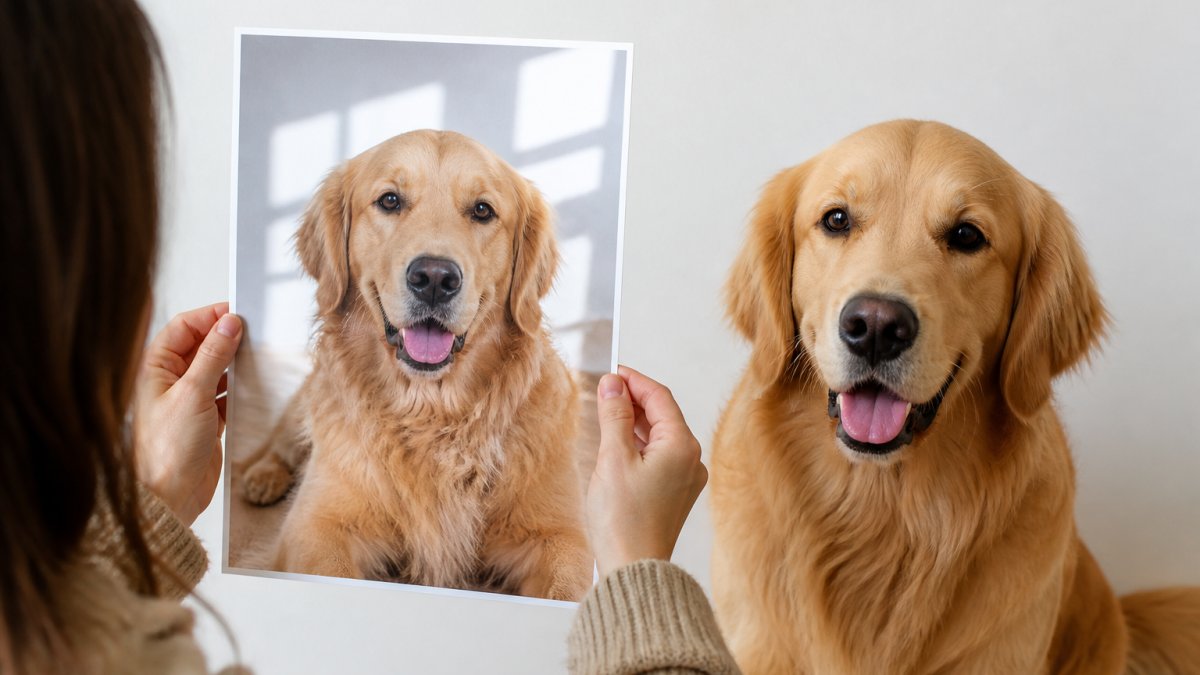
Avoid photos with other pets, people, or busy backgrounds, they distract from your pet. If your pet is partially hidden or turned away, the artist won't have enough to work with.
Share reference photos in high resolution, don't compress them into tiny files when emailing. Ask your artist what file format and size they prefer; most specify this in their commission guidelines.
Creating a Detailed Pet Portrait Commission Brief
Once you've chosen your artist and gathered reference photos, the next step in how to commission a pet portrait painting is to write your commission brief. This is your chance to explain exactly what you want, don't assume the artist will guess.
Cover these key points in your brief:
- Your pet's name, breed, and personality traits
- The style you want (realistic, painterly, abstract, etc.)
- Preferred medium (oil, acrylic, watercolor, digital)
- Canvas or paper size you're considering
- Color palette or mood you're aiming for
- Any specific details to emphasize (their favorite toy, a scar, unique markings)
- Where the portrait will hang (helps the artist think about color harmony)
- Whether you want a memorial piece or a celebration of your living pet
Be specific: "painterly with visible brushstrokes" beats "artistic," and "warm, golden tones" beats "nice colors." The more detail you provide, the less back-and-forth you'll need.
Mention any specific pose or setting. Some artists include simple backgrounds, others focus purely on the animal, and some add meaningful elements like flowers or objects your pet loved, discuss these upfront.
Understanding Pet Portrait Painting Cost and Budget
Pet portrait pricing is not a single number. It is a stack of variables, and understanding how artists build that stack lets you compare quotes fairly instead of guessing. The four biggest drivers are size, medium, complexity, and the artist's market reputation.
Size. Most painters price by the longest dimension of the canvas or paper.
Medium. As a general pattern, graphite and charcoal studies sit at the low end, watercolor and gouache in the middle, acrylic next, and oil at the high end.
Complexity. A single head study costs less than a full-body composition. Adding a second pet, a detailed background, props, or a memorial setting with meaningful objects raises the price.
Artist reputation. An emerging artist may charge a few hundred dollars for an 11x14 oil portrait. An established painter with a multi-month waitlist may charge several thousand for the same size.
Before you contact anyone, write down a budget range and decide which variable you are willing to flex. If your budget is fixed, size is usually the easiest lever to pull down. If size is fixed, medium is the next lever.
Deposits and payment schedules. A deposit is standard practice, not a red flag. Many artists ask for 25 to 50 percent upfront to reserve a slot on their calendar, with the balance due before shipping or on approval of the final image.
What a quote should include. A professional quote or commission agreement typically states the size, medium, subject, number of revision rounds, deposit amount, balance due date, shipping cost, and what happens if you cancel.
Cancellation and refund terms. Policies vary widely. A common structure is: deposit is non-refundable once work has begun, but refundable if you cancel before the artist starts. Some artists offer a partial refund if you cancel mid-project, minus hours already logged.
Sales tax and shipping. Depending on your state and the artist's location, sales tax may apply to the artwork.
A fair quote is specific: size, medium, revision count, deposit, balance date, shipping, and cancellation terms, all in writing. If any of those are missing, ask before you pay.
Setting Realistic Expectations for Commissioned Pet Portrait Turnaround Time
Turnaround time varies widely with the artist's schedule and workload. Some complete commissions in a few weeks; others have waiting lists stretching months ahead. That's normal for skilled painters, high demand means longer waits.
When you inquire, ask directly: How long is your waiting list? How long does the painting process take? When can I expect delivery? A professional will give specific dates, not vague estimates.
Factor in shipping if the artist isn't local. Original paintings need careful packing and often require signature on delivery, so budget an extra week or two for transit, and expect longer waits during holidays and peak gift-giving seasons.
Turnaround time doesn't include revision rounds. Requesting changes after the first version adds time. Some artists include a set number of revisions; others charge extra for substantial changes. Know the policy before you start.
The best pet portrait artists are busy. If someone can deliver your commission in one week, they're either not very busy or rushing through work. Patience usually pays off with better results.
Managing Revisions, Delivery, and Care of Your Finished Artwork
This is the stage where most commission problems happen, and it is the stage most guides skip entirely. Getting the paperwork, shipping, and care details right protects both you and the artwork.
Revisions: define them before work starts. Ask how many revision rounds are included and what counts as a revision versus a new direction. A common structure is one round of minor adjustments after the first progress photo (eye shape, fur color, background tone) and one after the near-final image.
Progress approvals. Many artists send one or two progress photos: an early block-in and a near-final image. Treat each as a checkpoint, if something looks off, say so early. Fixing composition at the block-in stage takes minutes; after the final varnish, days.
Shipping and damage prevention. Original paintings ship flat in a rigid mailer (small works on paper), rolled in a tube (unframed canvas or paper), or crated and boxed (large or framed canvases). Ask which method the artist uses and whether the shipment is insured for full value; signature-on-delivery is common for high-value pieces.
Unpacking an oil or acrylic painting. Don't touch the painted surface for the first several days if the work is freshly finished, oil paint can stay soft for weeks depending on medium and humidity. Let it acclimate to room temperature on a clean, flat surface, and avoid plastic wrap against the surface, which can trap moisture and mar the finish.
Framing. If the piece is on canvas and unframed, you have three common options: hang it as a gallery-wrapped canvas with painted edges, float it in a frame, or set it in a traditional frame with a liner. Ask for acid-free mat board and UV-filtering glass or acrylic; these two upgrades are the difference between a piece that looks the same in twenty years and one that yellows (Preservation Guidelines for Matting and Framing).
Long-term care. Hang originals away from direct sunlight, which fades pigments over years, and avoid bathrooms, kitchens, and basements where humidity swings. Dust with a soft, dry brush, never household cleaners. For paper behind glass, keep the frame sealed against moisture. Store digital portraits and archival prints flat in a cool, dry place, and avoid folding or creasing.
Memorial pieces. If the portrait commemorates a pet who has passed, the care routine is the same but the emotional weight differs. Many owners display these in a central room they see daily. If you'll move the piece between rooms or homes, keep the original packaging for safe transport.
The commission does not end when the painting arrives. A written revision policy, insured shipping, acid-free framing, and a simple care routine are what keep the piece looking right for decades.
Frequently Asked Questions
How much does it cost to commission a pet portrait painting?
Pet portrait painting costs vary significantly based on the artist's experience, painting size, medium (oil, acrylic, mixed media), and complexity of the composition. Pricing depends on whether you want a head study or full-body portrait, canvas size, and the artist's portfolio level. For accurate pricing, contact the artist directly with details about your vision, most established portrait artists provide custom quotes after understanding your specific requirements and preferred style.
What should I include in a pet portrait commission brief?
A strong pet portrait commission brief includes your pet's name, breed, age, personality traits, and any special markings or features to emphasize. Describe the mood you want captured, playful, serene, dignified, and your preferred style (realistic, painterly, textured). Specify the final size, medium preference (canvas, paper, framed), and where it will hang. Include your timeline, budget range, and any emotional significance (memorial, celebration, gift). Clear communication prevents misunderstandings and ensures the artist can deliver exactly what you're envisioning.
What photos should I send for a pet portrait commission?
Provide multiple high-resolution photos (at least 2-3 from different angles) showing your pet's unique features, markings, and personality. Choose images with natural, even lighting that clearly shows eye color and fur texture. Avoid heavily filtered photos or extreme close-ups. Include full-body shots if you want those in the portrait. Photos taken outdoors or near windows typically work best. Send unedited originals, the artist can adjust composition and background, but they need clear detail to capture your pet's likeness accurately.
How long does a commissioned pet portrait take?
Commissioned pet portrait turnaround time typically ranges from 4-12 weeks, depending on the artist's current workload, painting size, medium, and complexity. Oil paintings and hand-painted pieces generally take longer than digital or acrylic work. Most artists maintain a queue and will provide a specific timeline when you place your commission. Factors like revisions, custom framing, and shipping can extend the timeline. Always confirm the expected completion date upfront so you can plan accordingly, especially if the portrait is a gift for a specific occasion.